
Every fundraising head I know has a version of the same Monday. By nine o'clock, four new funding calls have landed in the inbox. A donor's website has updated overnight. A colleague has forwarded a link with the subject line “this looks like us?” and a hopeful question mark. The team is already stretched: a report due Thursday, a proposal in its third revision, a partner waiting on a reply. And there you sit with four documents open, each one plausibly the grant that keeps a programme alive next year, knowing that whichever you choose, someone will be working nights on it.
Nobody says the real question out loud, because it sounds like giving up before you have started. It is not how to win any of these.
It is which of these is even worth applying for.
For most of my career, that question was easy to avoid. Finding the money was hard, writing well was hard, and opportunities were scarce, so when a credible one appeared you went after it.
That world is gone, but only half of it. Finding funding calls is now cheap and quick; a team can surface more plausible opportunities in a morning than it once found in a month. Writing a strong proposal is not cheap, and never was. It still takes a stretched team weeks: gathering the evidence, shaping a story that matches what the funder actually asked for, and checking every rule line by line.
Cheap to find, costly to answer. That gap is the whole problem, and it has quietly moved the real cost of fundraising. The cost is no longer the money spent writing. It is the attention of your best people. And here is the trouble with attention: every organisation counts its money, and almost none of them counts that.
A lost bid gets a debrief. A missed bid gets nothing.
Nobody counts the cost of a wrong proposal, because the real cost is invisible. It is not the weeks spent writing it. Those weeks leave a trace: a timesheet, a debrief, sometimes a post-mortem with the funder's feedback attached. The real cost is the better proposal you no longer had time to write, and the programme it might have funded. That one leaves no trace at all.
Nobody debriefs a bid that was never made.
How many opportunities that truly mattered did we miss because our best people were busy on ones that never fit?
I do not know the honest answer for any organisation I have led, and I suspect most leaders do not know it either. That is what makes the cost so easy to carry.
It also matters more now than it did. The OECD reports that official aid to developing countries fell by roughly a quarter in 2025, the steepest single-year drop on record. When more organisations compete for less, chasing everything is not ambition. It is the surest way to be too tired for the opportunity that counts.
The margin for a wrong bid has never been thinner.
What it felt like from the chair
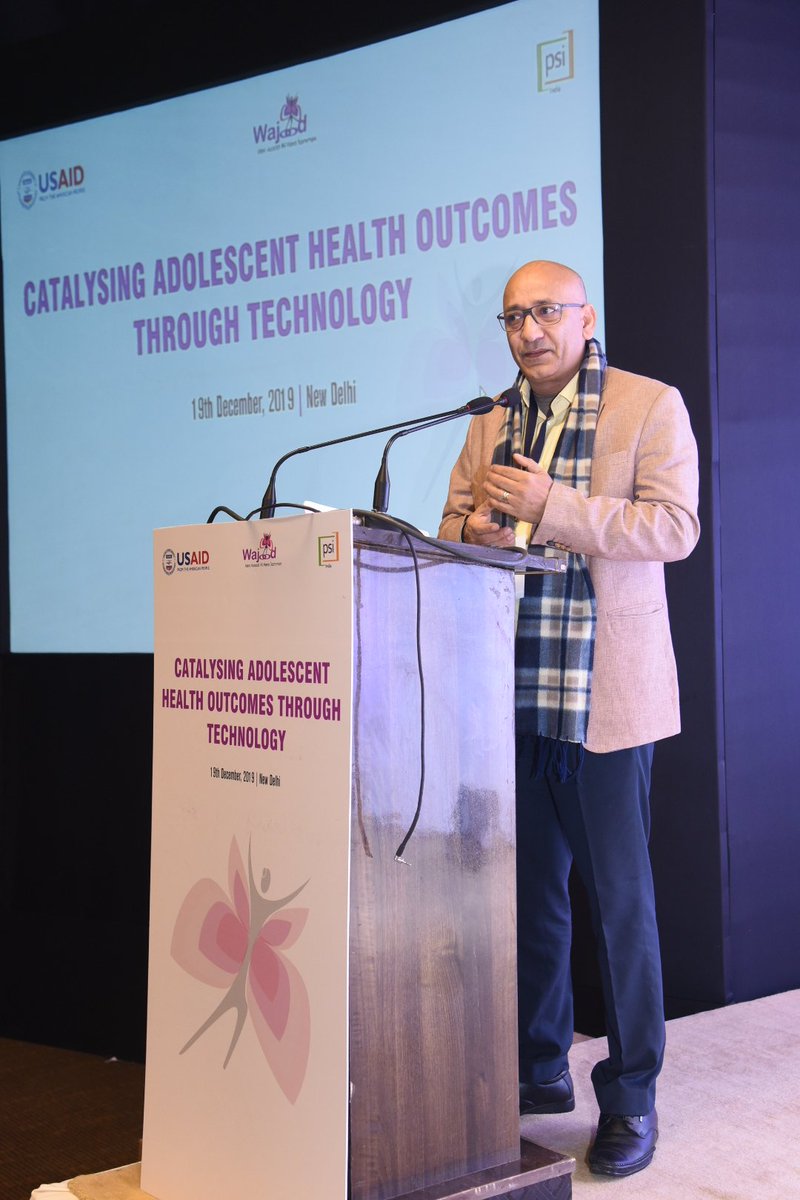
At PSI, the global health organisation where I spent years leading country programmes, we had a formal process, and I was the person it ended with. The team responsible for new grants would read each funding call, build the case for a yes or a no, and send it up to me to sign off. They were good at it. A single call could still take them days, because a call is never just a call; it is a set of rules to decode, a funder to read between the lines of, and a team's next quarter to weigh.
When their recommendation reached me, the work did not end. It changed hands. I had to hold the whole picture, test the reasoning, and make the call, often at the end of a week that had already asked a great deal of me, often with more calls waiting behind it. What I remember is not any single decision. It is the pull. Every no felt like turning away money for work that mattered, in a sector where money is never certain. Every yes felt like courage. It took me longer than I would like to admit to see that the yes was often the easy answer, because it deferred the hard one, and because nobody would ever count what it cost.
The pattern that changed how I thought was simple once I saw it. A yes-or-no decision is only as good as the questions behind it. Ask the right ones, clearly, and the decision is quick and defensible. Leave them vague and even a good team spends days arriving at a guess, and then defends the guess, because by then it has cost too much to abandon.
Why saying no is so hard
Here is the tension every fundraising leader lives inside. The instinct to pursue every plausible opportunity comes from a good place; it is what keeps essential work funded. The energy of a team is finite. The responsibility for choosing sits with one person. And saying no, in a scarce market, feels like a small betrayal of the mission.
So most organisations do not decide.
They drift. A call arrives, it looks close enough, someone starts a draft, someone else starts asking colleagues for numbers, and by the time anyone asks whether it was ever a real fit, the effort already spent has made the decision for them. I have a simple test for it.
If your organisation cannot say, in one clear paragraph, why it chose to apply for a grant, it did not decide to apply. It drifted into applying.
The way out is not a braver leader or a harder-working team. It is counting the cost before you pay it, and that takes a few questions, asked in a fixed order, before anyone opens a blank page.
Counting before you commit: the four questions every grant deserves
Are we actually eligible? Not broadly, but on the funder's own terms: the kind of organisation, the countries, the registrations, the turnover or financial thresholds. This question outranks the others, because if the answer is no, nothing else matters, however exciting the grant looks.
Does our work fit what the funder actually said? Not what we wish they had asked for. Read the call word for word and hold your idea against their words, not your hopes. A programme can be important, well run and well evidenced, and still be the wrong answer to this particular call.
Can we prove what we would claim? A funder is buying evidence, not intent. If the results you would cite live in a report you have not yet written, or the partnerships you would describe have not yet been formalised, that is a gap to name now, not a paragraph to finesse later.
Can we be honest about the competition? Who else will be at this table, and why would the funder choose us over them? If the honest answer is that we are not sure, that is worth knowing before the weeks begin.
Answered clearly, those four questions turn a hunch into a decision you can defend. They also make the invisible cost visible while it is still avoidable. Before your team starts writing, has it actually answered them?
What the machine is for
AI made finding opportunities far easier and choosing between them harder, simply by handing us more to consider. Barry O'Reilly puts it well in Artificial Organizations: most leaders do not need more information, they need better judgment. So the interesting question is not whether a machine can screen grants. It is whether a machine can give a leader back their attention, sharpen the decision, and leave them accountable for it. There is a quiet failure I have watched happen when it does not. The leader still signs off, but the thinking drifts into the tool, and nobody asks whether its shortlist was right.
The machine carries the load. The judgment stays human.
A good screen is a way of counting the cost before you pay it. That principle is why we built Swift, and it is what Swift is: a filter, not a decider.
Where Swift fits
Swift answers one question: is this grant worth the effort it would take to apply? You send us the funding call and the documents that show what your organisation does and has achieved, ideally three or more: your strategy, recent annual reports, past proposals, and programme reports. No interviews. Within 24 hours you get one of three answers, Proceed, Conditional Proceed, or Pass. Alongside the answer is the reasoning: where you meet the funder's requirements, where you do not, and what would have to be true for the opportunity to make sense. Your first check is free.
A Conditional Proceed looks like this. Imagine a funder offers a large maternal-health grant. Your experience fits well, but the call requires a registered local entity in three named countries and evidence of work with public health systems. The answer is not simply good fit. It is good fit, provided you can show those registrations and partnerships before the deadline. That is a screen, not a keyword match.
It is not a study, which is what lets us offer the first one free. Axon, our AI system, runs the same four questions, reads the call word for word, and treats eligibility as the question that ends the conversation. The screen also forces three human questions into the open, because no document can answer them. How keen is your team, really? How many days of writing can you spare? What do you know about who else is likely to bid? Those answers shape the recommendation, because a technically attractive opportunity can still be the wrong use of a team's time. Swift screens out; it does not decide in. Every Pass comes with its reasons, so a Pass you disagree with is a two-minute argument, not a decision you have lost, and the one clear paragraph on why arrives in your hands for you to read and decide.
If the answer is yes, you can move into our Grant Intelligence Pipeline, the proposal-writing workflow. The system prepares the first draft in your organisation's own voice, our team reviews it before it reaches you, and you remain the decision-maker at five fixed points from first screen to final submission. The hours of human effort fall sharply, and they go to the grants that have earned them.
Screen first. Build second.
What is at stake
The best fundraising leaders over the next few years will not be the ones who chase the most grants, or even the ones who write the best proposals. They will be the ones who protect their organisation's attention. They understand that no, said early and backed with reasons, is the cheapest word in fundraising, and that the same word said too late is the most expensive.
That is a harder discipline than it sounds, because saying no feels like leaving money on the table. It is the opposite. Every wrong bid you decline is a right bid you can now afford to win.
So start counting the one cost nobody counts. Ask what your team could accomplish if it spent less of itself chasing opportunities that were never a fit, and more of itself on the work your organisation exists to do. That is the real return on a good no. Not a cleaner pipeline. A team with the attention left for what matters.
Count the cost before you pay it. The proposal can wait.
Sources
- Barry O'Reilly, Artificial Organizations: Build Better Judgment, Speed, and Results with Human and Machine Intelligence (2026). artificialorganizations.com
- OECD, Preliminary official development assistance levels in 2025 (9 April 2026). oecd.org
Editor's Note · KairoPact
Send your funding call and the documents that describe your work to connect@kairopact.com. Your first screen is free, with no forms and no commitment. Within 24 hours you get a Proceed, Conditional Proceed, or Pass, with the reasons behind it. If it is a fit and you choose to go ahead, our Grant Intelligence Pipeline, the proposal-writing workflow, does the heavy lifting from there.